Starting a garden in an urban environment can be a rewarding way to connect with nature, grow fresh produce, and improve your living space—even if you have limited room. Small urban gardens are perfect for balconies, windowsills, rooftops, or tiny patios, allowing city dwellers to enjoy the benefits of gardening despite space constraints.
If you’re new to gardening or unsure how to begin, these tips will help you make the most of your small space and cultivate a healthy, flourishing garden.
Assess Your Space and Lighting
Before selecting plants or containers, it’s essential to understand the conditions of your gardening space.
– Measure your area: Knowing the exact size will help you choose appropriate pots and plants.
– Observe sunlight: Track how much sun the area receives daily—some plants need full sun (6+ hours), while others thrive in shade or partial sun.
– Consider wind exposure: Urban spaces can be windy, which may dry out plants quickly or cause damage. Choose wind-tolerant plants or add protective screens if needed.
Choose the Right Containers
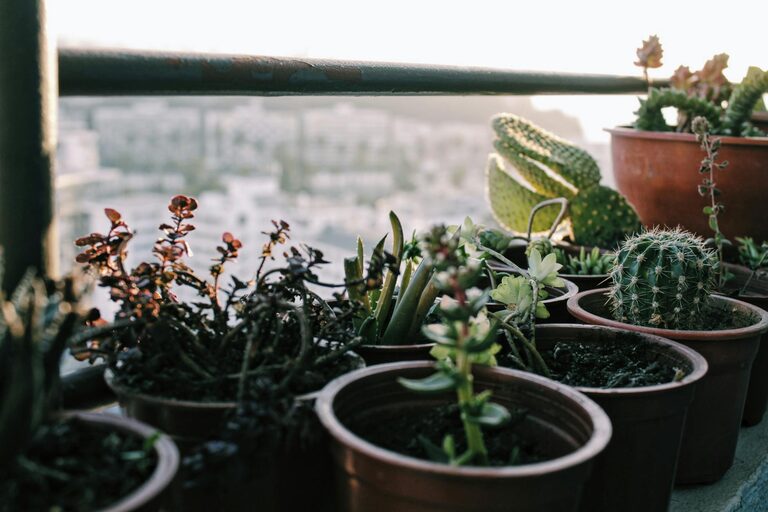
In limited spaces, containers are your best friend. They allow flexibility and can fit into awkward corners or hang from railings.
– Select suitable sizes: Larger containers retain moisture better and support bigger plants, but smaller pots can be grouped creatively.
– Use lightweight materials: Consider plastic, fabric grow bags, or fibre pots, which are easy to move and reduce strain on balconies or ledges.
– Ensure drainage: Good drainage is vital to prevent waterlogging. Drill extra holes if necessary and use saucers to catch excess water.
– Get creative: Use stacking planters, vertical wall gardens, or hanging baskets to maximise vertical space.
Pick Plants That Suit Your Space and Climate
When growing in small urban spaces, choose plants that don’t require deep roots or extensive room.
Easy Vegetables and Herbs for Small Gardens
– Herbs: Basil, parsley, chives, mint, oregano, and coriander grow well in pots and don’t take much space.
– Leafy greens: Lettuce, spinach, rocket, and kale are compact and quick to harvest.
– Compact veggies: Cherry tomatoes, radishes, dwarf beans, and peppers are suitable for containers.
– Edible flowers: Nasturtiums and pansies add colour and can be used in salads.
Consider Climate and Seasonality
– Select plants suited to your local climate and season to ensure success.
– Check average frost dates and temperature ranges before planting.
Use Quality Soil and Fertilise Regularly
Plants need nutrients to grow well, so choose the right growing medium.
– Use potting mix: A good-quality, well-draining potting mix is better than garden soil for containers.
– Add compost: Organic matter improves soil fertility and moisture retention.
– Fertilise: Use liquid fertilisers or slow-release pellets designed for container plants, following instructions to avoid overfeeding.
Water Thoughtfully
Because containers dry out faster than garden beds, consistent watering is important.
– Check soil moisture daily, especially in warmer months.
– Water thoroughly until excess drains from the bottom of pots.
– Consider self-watering containers or adding a moisture-retentive layer like mulch or stones.
– Avoid waterlogging, which can lead to root rot.
Maximise Space with Vertical Gardening
Vertical gardening techniques make excellent use of small spaces.
– Use trellises or stakes for climbing plants like beans or peas.
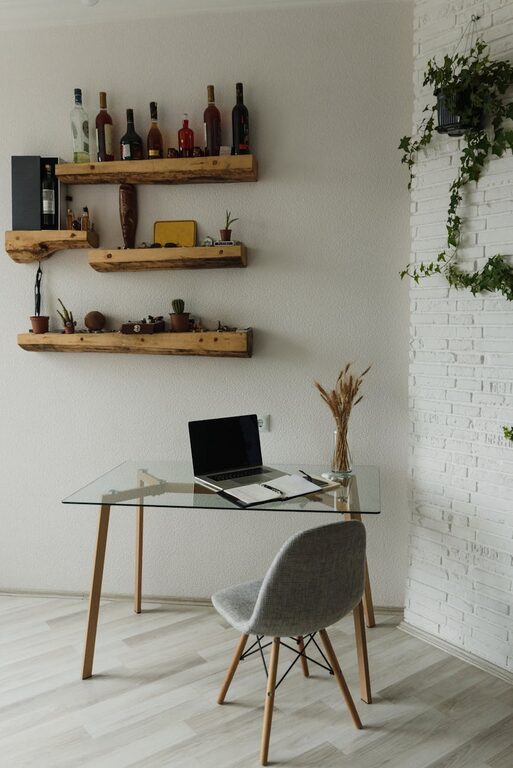
– Install wall-mounted planters or shelves for herbs and small pots.
– Hang pots on railings or from hooks to free up surface space.
– Create tiered plant stands for easy access and attractive displays.
Maintain Your Garden Regularly
Regular care prevents pests and disease while encouraging healthy growth.
– Prune and harvest often to promote new growth.
– Inspect plants for signs of insects or fungal problems.
– Remove weeds promptly.
– Clean containers annually to avoid disease buildup.
Enjoy the Benefits of Your Urban Garden
A small urban garden can serve as a peaceful retreat and a source of fresh, homegrown produce.
– Experiment with different plants and styles to find what works best.
– Invite neighbours or friends to share cuttings or seeds.
– Use your harvest in salads, meals, or teas to appreciate your hard work.
—
Starting an urban garden in limited space is absolutely achievable with thoughtful planning and care. Whether you have a sunny windowsill or a tiny balcony, these tips can help you grow a lovely patch of greenery that brightens your home and your day. Happy gardening!
About the Author